
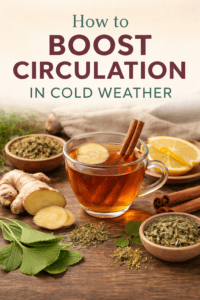
Cold hands and feet are very common during winter. While often harmless, they can also reflect slower circulation, increased stress, or nutritional imbalances. Understanding why circulation slows in cold weather allows us to support the body naturally and effectively.
🩸 Why Do Hands and Feet Get Cold?
When temperatures drop, the body instinctively protects vital organs such as the heart and brain. Blood vessels in the extremities constrict — a process known as vasoconstriction — reducing heat loss but also limiting blood flow to the hands and feet.
Other factors may intensify this response:
Stress and nervous system tension
Low physical activity during winter
Iron or magnesium deficiency
Dehydration
Poor blood sugar regulation
While occasional cold extremities are normal, persistent symptoms deserve attention.
🌿 Natural Ways to Improve Circulation in Winter
Supporting circulation does not require extreme measures. Gentle daily habits can make a significant difference.
🍵 1. Use Warming Plants and Spices
Certain plants naturally stimulate blood flow and warm the body from within.
Ginger promotes peripheral circulation and generates internal warmth. Enjoy it as a fresh infusion or added to meals.
Cinnamon supports blood flow while helping regulate blood sugar.
Turmeric helps maintain flexible blood vessels thanks to its anti-inflammatory properties.
A simple winter tea: fresh ginger slices + cinnamon stick + warm water.
🌿 2. Support Microcirculation With Ginkgo Biloba
Ginkgo biloba is traditionally used to support microcirculation, especially in the hands, feet, and brain. It may help improve oxygen delivery to tissues and reduce the sensation of cold extremities.
Ginkgo is best used under professional guidance, especially for individuals taking medication.
🚶 3. Move Regularly, Even Gently
Movement is one of the most effective ways to stimulate circulation.
Short walks after meals
Gentle stretching or yoga
Ankle and wrist rotations
Light bouncing or standing exercises
Even five minutes of movement every hour helps keep blood flowing.
🍲 4. Eat Warm, Nourishing Meals
Cold foods can slow digestion and circulation during winter. Favor:
Soups, stews, and broths
Roasted vegetables
Whole grains such as oats and rice
Protein-rich meals to support muscle warmth
Warm meals support metabolic heat and improve nutrient distribution.
🌬️ 5. Support the Nervous System
Stress tightens blood vessels and worsens cold extremities.
Simple daily practices:
Slow breathing (5–6 breaths per minute)
Warm baths with magnesium salts
Adequate sleep
Relaxation improves vascular tone and circulation.
🌿 Targeted Support for Circulation & Cardiac Health
During winter, some people may benefit from additional support, especially when cold hands and feet persist despite lifestyle adjustments.
Circulation and Cardiac Support has been formulated to help support healthy blood flow, vascular tone, and overall cardiovascular balance. Its composition is designed to complement daily habits such as movement, warming nutrition, and stress management — particularly during colder months when circulation tends to slow down.
This type of targeted support can be especially relevant for individuals experiencing:
Persistent cold extremities
Sensations of heaviness in the legs
Reduced circulation during winter
Seasonal fatigue linked to poor blood flow
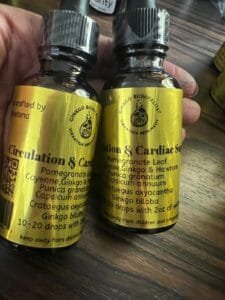
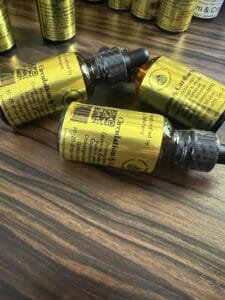
As always, this product is intended to be used as part of a global, personalized approach to health, alongside appropriate nutrition and lifestyle guidance.
⚠️ When to Pay Closer Attention
Consult a healthcare professional if cold extremities are accompanied by:
Numbness or tingling
Skin color changes (white or blue fingers)
Fatigue or dizziness
Pain or swelling
These may signal underlying circulatory or metabolic conditions.
🌟 The Takeaway
Cold weather naturally slows circulation, but gentle lifestyle adjustments can help the body stay warm, energized, and balanced. Supporting circulation through warmth, movement, plants, and nourishment is one of the simplest ways to improve winter well-being.
📝 Disclaimer
This article is for educational purposes only and does not replace medical advice. Always consult a qualified healthcare provider for persistent symptoms or before starting new supplements.
 GINKGOBIOVITALITE ™ – VIBRATION REMEDY ™ Team